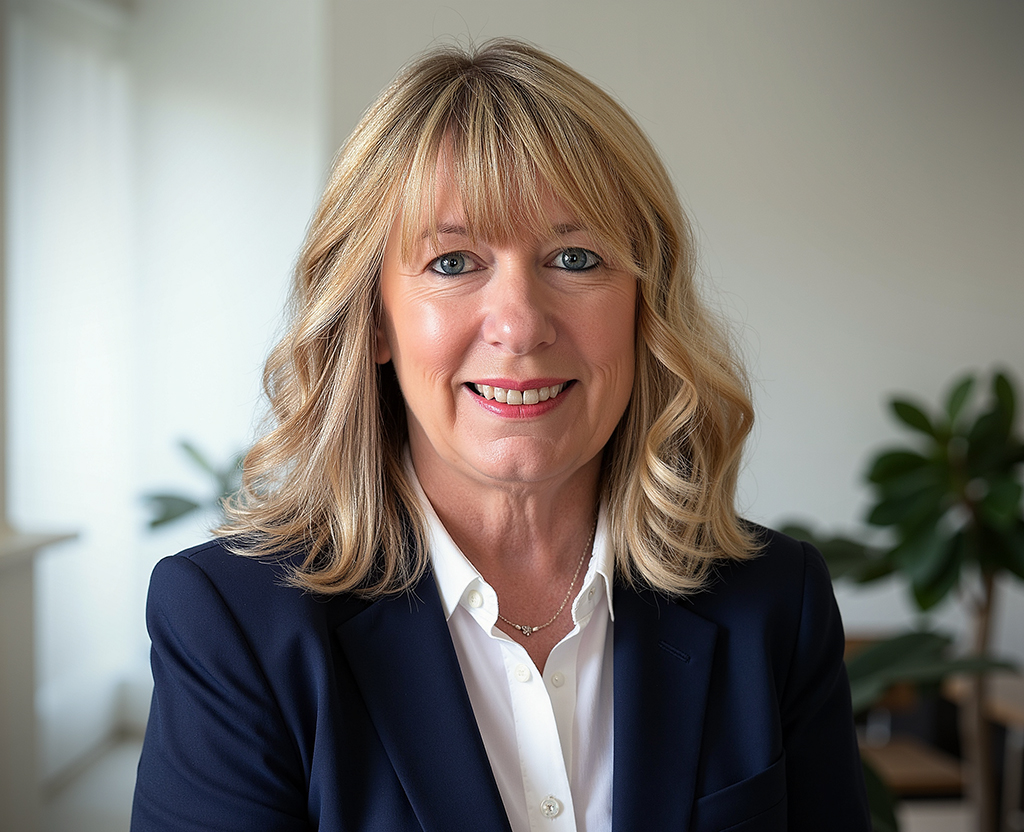
Andrea Flint, Executive Search Consultant, Executives in Africa
Across Africa, many of the most successful organisations are founder-led. That is often their advantage in the early years. The founder knows the market intimately and can move ahead of slower competitors. But there is a point where the strengths that helped build the company start to limit it.
At Executives in Africa, we see this regularly. Businesses reach a certain level of scale and suddenly the founder is involved in every major decision, every senior hire, every customer issue, and every approval process. Growth continues, but operationally the business starts to strain under its own complexity.
The issue is not that founders are incapable leaders: The problem is that businesses eventually outgrow leadership models built around one individual. This becomes particularly visible when businesses expand into multiple markets, take on institutional capital, or attempt to professionalise operations. Informal processes that worked at $5 million revenue rarely work at $50 million. Leadership intuition becomes harder to scale across geographies, teams, and reporting structures. Senior executives struggle to make decisions independently because everything returns to the founder. Leadership teams become operational rather than strategic because they are waiting for direction instead of driving outcomes themselves. Investors and lenders start asking questions about governance depth, succession planning, and management capability beyond the founder.
Often the founder feels the pressure too. The business becomes harder to switch off from and decision fatigue increases. Strategic thinking gets replaced by constant operational intervention. At this stage, many businesses try to solve the problem by hiring senior executives. Sometimes that works, but often it does not. The failure is rarely about capability alone. It is usually because the structure around the hire has not changed. Businesses recruit experienced CEOs, CFOs, or COOs, then give them responsibility without genuine authority. Eventually, strong executives leave because they cannot operate effectively inside a system where every major decision still centres around the founder. The businesses that scale successfully tend to approach this differently.
First, they define decision ownership clearly. That sounds basic, but it is often the biggest gap. If every budget approval, commercial negotiation, and hiring decision requires founder involvement, the organisation cannot scale operationally. Second, they build leadership infrastructure before it becomes urgent. Strong management reporting, governance rhythms, board engagement, and executive accountability should not arrive only after external pressure from investors or lenders. Third, they hire executives for complementarity, not loyalty. Founders often default toward leaders who think similarly to them or operate comfortably within existing dynamics. The stronger approach is to hire executives who bring capability the founder does not naturally possess. Finally, founders need to consciously shift their own role as the business matures. The skills required to build a company are not always the same skills required to institutionalise one. The best founders recognise this early and evolve accordingly.
None of this means founder-led businesses are weak. In many African markets, they remain some of the most resilient and commercially agile organisations operating today. But scale changes what leadership requires. The businesses that recognise that earlier tend to attract stronger executives, access better capital, and build organisations capable of growing beyond the founder themselves.
The skills required to build a company are not always the same skills required to institutionalise one.
Contact: af@executivesinafrica.com